

Healthcare Science Research & Innovation: Driving the future of UK Clinical Academics – Professor Chris Hopkins

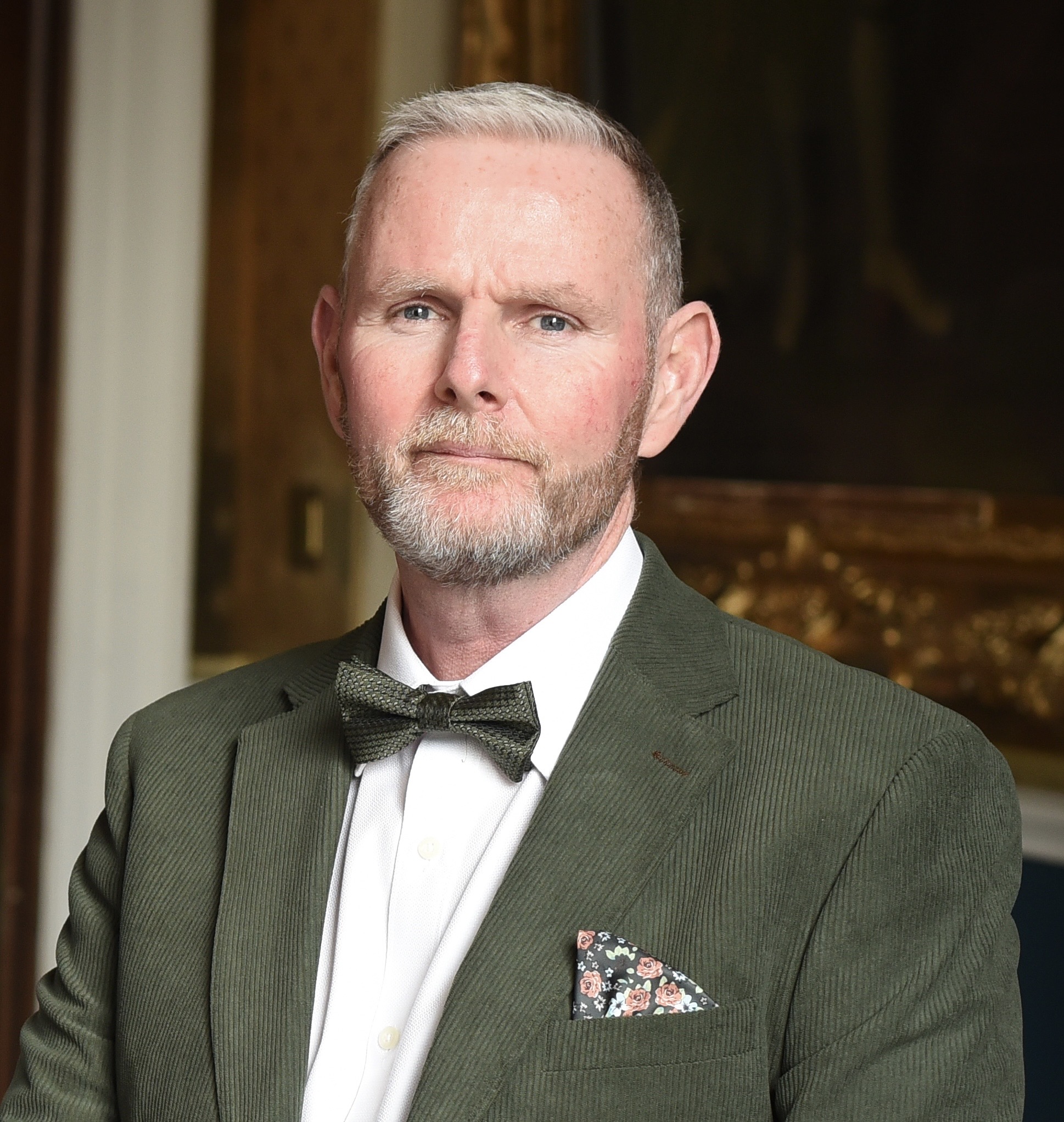
On day 5 on Healthcare Science week, AHCS President, Professor Chris Hopkins, reflects on the crucial role research and innovation plays in strengthening the UK economy and improving the lives of patients and communities across the UK.
Healthcare Science Research & Innovation: Driving the future of UK Clinical Academics
Healthcare science professionals are central to the safety, capability and innovation of the UK’s health and life science system. Across more than 50 scientific disciplines, they provide over 80% of all diagnostics, introduce cutting‑edge technologies into patient care, and lead research that shapes the NHS of tomorrow. As we mark Healthcare Science Week, it is timely to celebrate this collective contribution and to strengthen the clinical academic pathways that enable the system to grow.
Defining the Healthcare Scientist Clinical Academic
In January 2026, the Academy for Healthcare Science (AHCS) formally adopted the UK Clinical Academic Training & Careers Hub (CATCH) definition of a clinical academic: a qualified healthcare science professional who also works in academia, typically in research/innovation, teaching, or both. They balance their time between supporting diagnostics or treatment of patients, conducting research/innovation that contributes to the scientific understanding of their field, and training the next generation of clinicians.
Healthcare scientists are uniquely positioned to contribute to this agenda. Their roles bridge science, technology, patient care and system‑level design. The UK now recognises that developing a strong clinical academic workforce in healthcare science is essential for delivering evidence based, prevention focused, sustainable and digitally enabled healthcare.
Why Research & Innovation matters for the UK
Evidence shows that research active organisations deliver better patient outcomes, have lower mortality rates and are more successful in adopting innovations that transform care pathways. For UK healthcare science, strengthening research and innovation is also crucial to:
- Workforce sustainability; attracting and retaining scientific talent
- Economic growth; driving advances in diagnostics, AI, medical technologies and life sciences
- Technological adoption; ensuring the NHS benefits from world leading scientific progress
- Improved patient care; through early diagnosis, personalised treatment and safer services
Research and innovation are now recognised as core components of healthcare science career pathways, embedded from early training to consultant level practice.
Case studies across the Healthcare Science professions
Below are examples, drawn from real UK practice, demonstrating the breadth of scientific innovation shaping patient care.
Life sciences: Genomics and personalised medicine
Genomics laboratories across the UK are transforming cancer diagnosis, rare disease detection and targeted treatment selection. Genetic technologists and clinical scientists are leading national programmes in whole genome sequencing, variant interpretation and molecular profiling.
Case example:
A multidisciplinary genomics team applied high throughput sequencing to identify rare genetic variants in paediatric metabolic disorders, reducing time to diagnosis from months to days. Their published research has informed new national testing standards.
Physiological sciences: Heart failure
Physiological scientists are increasingly using digital tools, advanced imaging, AI and wearable technologies to support earlier diagnosis of disease.
Case example:
The HF‑FOCUS research programme explores whether integrating focused point‑of‑care ultrasound (FOCUS) into community and residential care pathways can enhance the diagnosis and management of suspected heart failure in older adults. The study aims to tackle key challenges, including delayed diagnosis, repeated hospital visits, and inconsistencies in care quality, by assessing whether earlier, on‑site ultrasound assessment can create a more efficient and patient‑centred pathway.
These types of research active services exemplify the principles highlighted in UK strategies calling for stronger integration of innovation into practice.
Medical physics & Clinical Engineering: AI‑enabled diagnostics
Medical physicists and clinical engineers are at the forefront of AI, imaging science and medical device development.
Case example:
Clinical engineers working with academic partners co‑designed an AI‑supported triage tool for radiotherapy planning. Their pilot research demonstrated that automated contouring could reduce planning time by 35%, supporting faster access to treatment. Findings contributed to NHS policy discussions on safe AI adoption and quality assurance frameworks.
Such work aligns with the UK’s wider ambition to build research enabled, technologically advanced diagnostic services.
Bioinformatics & data science: Unlocking NHS insights
Bioinformaticians and data scientists support national research by managing large scale datasets, developing decision support algorithms and ensuring reproducible analytics.
Case example:
The bedside decision support system enhances the safety and precision of antimicrobial prescribing. It draws on NHS data through a mobile platform to predict bacterial infection risk and provide personalised dosing recommendations. An advanced model evaluates expected outcomes if antibiotics are continued or stopped, helping to prevent both under and over treatment. Additional algorithms also support early IV‑to‑oral switching, improving safety and reducing unnecessary IV use.
This reflects the emphasis on integrating research and innovation across the scientific workforce, as described in UK aligned frameworks for healthcare science research and innovation.
AI, Machine learning & Clinical decision support
AI scientists in the NHS and academia are collaborating to develop tools that support decision making, triage and predictive risk modelling.
Case example:
A data science and AI team built a machine learning model to identify patients at risk of sepsis using real time vital signs and laboratory results. The model was integrated into clinical pathways in test sites, improving early recognition and enabling faster interventions.
Researchers ensured the project met clinical governance standards and contributed to the emerging evidence base for safe, equitable AI deployment across the UK.
Building the UK Clinical Academic pipeline
The UK’s strategic focus is clear: we must increase capacity, capability and leadership in healthcare science research and innovation. Key enablers include:
- Integrated academic training pathways for non‑medical professions
- Stronger partnerships between NHS organisations, universities, life sciences industries and innovation centres
- Protected research and innovation time and clearer healthcare science job planning
- Accessible funding, mentoring and supervision structures
These principles align closely with those set out in UK wide research and innovation strategies, echoing national reviews of the research landscape, the barriers to participation, and the factors that enable greater scientific engagement.
Looking ahead: A UK‑Wide opportunities
As President of the Academy for Healthcare Science, my vision is a unified UK approach where:
- Every healthcare scientist has access to research and innovation opportunities
- Clinical academic pathways are transparent, equitable and well supported
- Organisations recognise scientific leadership as essential to high quality care
- The scientific workforce continues to advance life sciences, genomics, imaging, engineering, AI, data science and physiological diagnostics
- Research and Innovation becomes embedded in everyday clinical practice, not an optional add‑on
Healthcare science is one of the UK’s greatest strengths. Our scientists are shaping the future of healthcare, not only by delivering today’s services, but by discovering tomorrow’s solutions.
This Healthcare Science Week, we celebrate your achievements and reaffirm our commitment to supporting every healthcare scientist to thrive as a researcher, innovator and clinical academic leader.
Professor Chris Hopkins, President, Academy for Healthcare Science

